

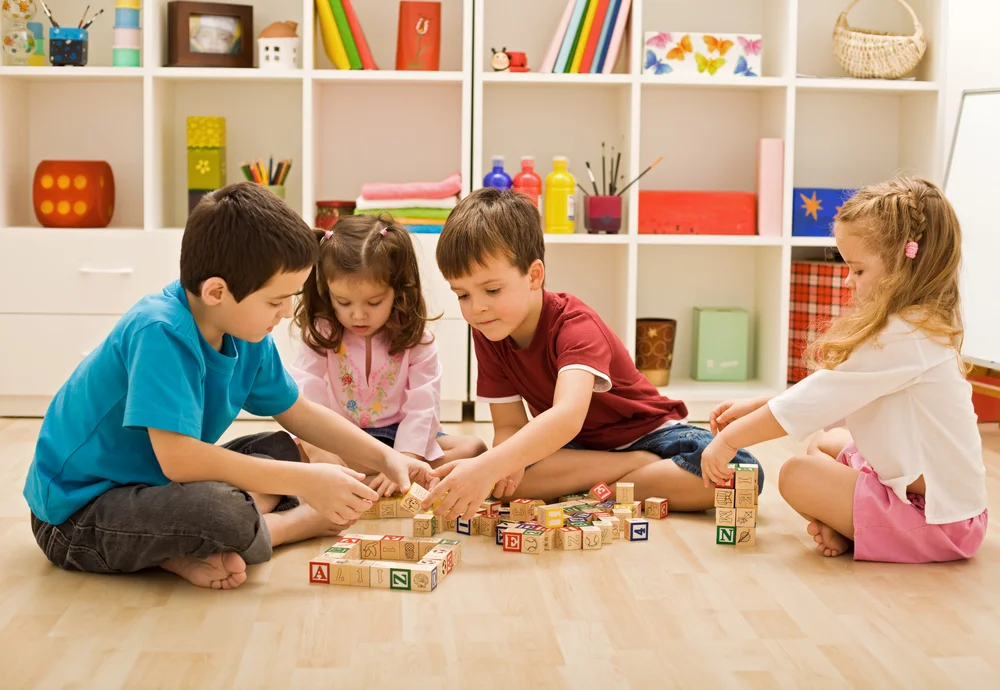
Every child grows in a way that is uniquely their own. Yet in a world shaped by parenting forums, social media updates, and milestone checklists, it’s easy for caregivers to feel anxious when children develop at different speeds. Understanding developmental milestones without comparison pressure helps parents focus on what truly matters: healthy growth, emotional security, and individual potential.
What Are Developmental Milestones?
Developmental milestones are general indicators of skills most children tend to develop within a certain age range. They are not deadlines or rigid benchmarks.
These milestones typically fall into key areas:
- Physical development – sitting, crawling, walking, coordination
- Cognitive development – thinking, problem-solving, memory
- Language development – babbling, first words, sentence formation
- Social and emotional development – bonding, empathy, self-regulation
Milestones act as guides, not rules. A child reaching them earlier or later does not automatically signal a problem.
Why Comparison Pressure Is So Common
Comparison often happens unintentionally. Parents naturally look for reassurance that their child is “on track,” especially during early childhood.
Common sources of pressure include:
- Social media highlight reels of other children
- Casual comparisons at daycare or family gatherings
- Charts that oversimplify complex development
- Well-meaning but stressful comments from others
While these influences are widespread, they can create unnecessary worry and overshadow a child’s real progress.
The Truth About Child Development
Child development is non-linear. Skills often develop in bursts rather than steady steps. One child may speak early but walk later, while another shows the opposite pattern.
Important realities to remember:
- Development varies widely within normal ranges
- Cultural, environmental, and personality factors play a role
- Progress in one area may temporarily slow another
- Emotional security strongly supports healthy development
Comparing children ignores these natural differences and can distort expectations.
Why Avoiding Comparisons Matters
Comparison pressure doesn’t just affect parents—it can influence children too.
When comparison becomes the focus:
- Parents may miss subtle but meaningful progress
- Children may feel unnecessary stress or labels
- Confidence and curiosity can be reduced
- Parent-child relationships may feel performance-driven
A supportive environment encourages children to explore, learn, and grow at their own pace.
How to Use Milestones in a Healthy Way
Milestones are most helpful when viewed as tools for awareness, not measurement of success.
Use milestones to:
- Notice patterns of growth over time
- Identify areas where a child may need extra support
- Guide conversations with pediatric professionals
- Celebrate progress rather than speed
Avoid using milestones to rank, rush, or pressure development.
Supporting Your Child’s Individual Growth
Instead of comparing, focus on creating conditions that nurture development naturally.
Helpful approaches include:
- Observe your child closely rather than relying on outside benchmarks
- Encourage play, which supports physical, cognitive, and emotional skills
- Respond to your child’s interests, not just age expectations
- Celebrate effort and curiosity, not just outcomes
- Maintain regular health checkups for professional guidance
Trust grows when parents learn to see progress through their child’s unique lens.
When to Seek Professional Advice
While variation is normal, there are times when professional input is helpful.
Consider consulting a pediatric professional if:
- Skills seem to regress rather than progress
- Development stalls across multiple areas for an extended period
- There are concerns about hearing, vision, or movement
- Your intuition consistently signals something feels off
Seeking advice is not a failure—it’s an act of care.
Reframing Success in Childhood
Healthy development is not about being first or fastest. It’s about building a strong foundation for lifelong learning, resilience, and emotional well-being.
A child who feels supported rather than compared is more likely to:
- Develop confidence
- Embrace challenges
- Learn at a sustainable pace
- Build secure relationships
Let milestones inform you, not define your child.
Frequently Asked Questions (FAQ)
1. Are developmental milestone charts reliable for all children?
Milestone charts reflect averages, not individual timelines. They are useful for guidance but should never replace personalized observation.
2. Can comparing children cause long-term harm?
Frequent comparison can affect self-esteem and motivation, especially if children feel measured against others rather than valued individually.
3. How can parents respond to comments comparing children?
A calm response that emphasizes individual growth, such as “Every child develops differently,” helps set healthy boundaries.
4. What if my child reaches milestones later than peers?
Later milestone achievement can still fall within normal development. Patterns over time matter more than exact ages.
5. Do milestones predict future intelligence or success?
No. Early milestones do not determine intelligence, academic ability, or long-term success.
6. How often should parents review developmental milestones?
Periodic review during regular health checkups is sufficient. Constant monitoring can increase unnecessary stress.
7. What is the most important factor in healthy development?
A responsive, supportive environment where a child feels safe, encouraged, and understood matters more than timing.